
DPP snubs mainland cooperation package
Editor's note: The Taiwan question is a key focus for China and the international community. China Daily is publishing a series of reports to track hot Taiwan-related topics and address disinformation from the Democratic Progressive Party administration.

A visitor tours the booth of Jinmen, an outlying county near Fujian province but governed by the Taiwan authorities, during the 20th Strait Travel Fair in Xiamen, Fujian, last year. The fair invited professionals in Taiwan's tourism industry for discussions and promotions. ZHANG BIN/CHINA NEWS SERVICE
Two months after the Chinese mainland introduced 10 sweeping policy measures to advance cross-Strait cooperation, tangible economic benefits have begun reaching key agricultural, tourism and media sectors. However, a deepening political deadlock remains, as the Democratic Progressive Party authorities in Taiwan have yet to respond to mounting public and industry calls to adopt the package.
The comprehensive policy blueprint was announced by the Taiwan Work Office of the Central Committee of the Communist Party of China on April 12, following a visit by a Chinese Kuomintang delegation to the mainland led by Chairwoman Cheng Li-wun. Framed as a gesture of goodwill to foster closer integration, the broadly supported package covers youth exchanges, infrastructure connectivity, trade facilitation, tourism and cultural cooperation.
Over the past two months, several measures have been steadily advanced.
Based on adherence to the 1992 Consensus, which embodies the one-China principle, and opposition to "Taiwan independence", the mainland proposed a regularized mechanism for communication between the CPC and the KMT as part of the policy package. Both parties pledged to promote cross-Strait exchanges and integration with more effective measures.
Similarly, both parties have been building an institutionalized mechanism to facilitate two-way exchanges between young people across the Taiwan Strait. In addition to regular cross-Strait youth exchange events organized by the mainland's All-China Youth Federation and the KMT's youth league, 20 youth delegations from Taiwan are set to visit the mainland annually.
Lee Chang-chih, who oversees youth affairs for the KMT, said he hopes to connect with young people who are interested in the mainland but have limited familiarity with it."Through exchanges that are more closely tied to everyday life, we aim to help them find common ground, deepen mutual understanding, and build stronger connections," Lee said.
Regarding the measure aimed at promoting cross-Strait cooperation in film, television and cultural production, Zhu Fenglian, spokeswoman for the State Council Taiwan Affairs Office, outlined on June 3 three avenues through which Taiwan industry professionals can participate in the mainland's burgeoning micro-drama sector.
According to Zhu, Taiwan industry professionals can establish television program production companies in Fujian province, jointly develop micro-dramas with mainland partners, or take part in productions as performers.
At present, 18 Taiwan-funded enterprises in Fujian have obtained licenses for radio and television program production and are actively engaged in micro-drama production.
Taiwan-produced films also continue to enjoy smooth access to mainland theaters. So far this year, six Taiwan films have been released on the mainland. Last year, eight Taiwan-produced films were screened on the mainland, generating a combined box office revenue of approximately 88.11 million yuan ($12.2 million).
In a recent poll conducted by Taiwan's United Daily News, about 60 percent of respondents on the island supported the authorities taking this opportunity to resume or expand cross-Strait exchanges.
However, among the 10 measures, major initiatives aimed at facilitating cross-Strait exchanges, such as resuming more direct flights, restoring individual tours to Taiwan for residents of Fujian and Shanghai, and advancing cross-Strait infrastructure connectivity, have yet to receive a response from the DPP authorities.
While the mainland has been actively advancing the implementation of the policy package, the DPP authorities have dismissed it as a "sugar-coated poison" and characterized it as a set of "united front" measures.
Citing what they describe as "security" concerns, the DPP authorities have rejected the mainland's proposals to facilitate the provision of water, electricity and gas services, as well as to promote bridge links between Fujian's coastal areas and Jinmen and Matsu, the Taiwan-controlled islands closest to the mainland.
Lee Wen-liang, deputy county magistrate of Jinmen, said in an interview that the local government remains open to any proposals that would contribute to Jinmen's development and attaches great importance to issues concerning people's life, regional development and transportation infrastructure.
Meanwhile, the new Xiamen Xiang'an International Airport has incorporated dedicated check-in and customs clearance channels for travelers from Jinmen into its design. The facilities are ready to be integrated into Jinmen's transportation network once cross-Strait policies are eased.
In late April, the mainland's Civil Aviation Administration submitted technical applications to Taiwan's aviation authorities to resume regular direct passenger flights between Taiwan and five cities on the mainland, including Urumqi in the Xinjiang Uygur autonomous region and Xi'an in Shaanxi province. The proposal forms part of the broader policy package aimed at fully normalizing cross-Strait passenger air services.
As of June, only 15 mainland destinations and 10 Taiwan destinations are served by regularly scheduled cross-Strait passenger flights. Under existing arrangements, however, as many as 61 destinations on the mainland and 10 in Taiwan are eligible for such services, a level that was in place before 2020.
The "mainland affairs council" in Taiwan has refused to adopt the initiative, arguing that the "current arrangement is sufficient".
Cross-Strait air traffic remained robust in the first quarter, with 8,079 flights carrying 1.47 million passengers and average load factors exceeding 80 percent. Mainland airlines have already utilized nearly all of their allocated capacity on cross-Strait routes.

Visitors view the Jadeite Cabbage exhibit at the Taipei Palace Museum Southern Branch in Chiayi county, Taiwan, on May 3. CHEN JIANXIN/CHINA NEWS SERVICE
China Eastern Airlines, Spring Airlines and Shandong Airlines planned to resume direct flights starting this July, respectively operating routes from Chengdu in Sichuan province to Taichung, Ningbo in Zhejiang province to Kaohsiung, and Qingdao in Shandong province to Taichung.
Calling on the DPP authorities to lift "unreasonable" restrictions on air travel, the mainland said cross-Strait flight services should be arranged by airlines according to market demand.
The policy package also includes pilot programs allowing residents of Shanghai and Fujian to travel to Taiwan as individual tourists, a move that has been welcomed by Taiwan's tourism industry. However, its full implementation remains contingent on a response from the DPP authorities.
Since April 29, residents of Shanghai have been able to visit Jinmen and Matsu under the individual travel program, following the mainland's announcement in February that such tours to the counties would resume.
According to the latest statistics from the county tourism department, 6,579 mainland tourists with travel permits entered Jinmen during this year's May Day holiday. So far this year, the total number of mainland visitors to Jinmen has reached nearly 60,000, of whom 99 percent were individual travelers.
Wang Chih-hung, chairman of the Taiwan Chinese Tourism Management Association, said in an interview during the holiday that Taiwan's past milestone of 10 million inbound visitors was largely driven by a steady flow of mainland tourists. "Today, Taiwan's tourism industry is missing this crucial piece of the puzzle, and tensions in cross-Strait relations and geopolitical instability have also raised safety concerns among overseas visitors," Wang said.
In August 2019, the mainland suspended the pilot program for residents of 47 cities to visit Taiwan because of the DPP authorities' continued promotion of "Taiwan independence" activities and efforts to heighten cross-Strait tensions.
About 2 million people in Taiwan are employed in tourism and related industries, accounting for roughly one-sixth of the island's total workforce. Taiwan media estimate that the cross-Strait tourism sector recorded a deficit of approximately NT$152 billion ($5 billion) last year, as mainland visitor arrivals totaled just 557,700, far below the peak of 4.14 million in 2015, while 4.89 million visits were made by Taiwan residents to the mainland.
On April 20, Taiwan's general chamber of commerce held a news conference bringing together representatives from seven major industries, including hotels and travel service providers. They urged the DPP authorities to "open up and lift restrictions where they should", and questioned, "Why not accept the mainland's 'olive branch'?"
In addition to the tourism sector, Taiwan's agricultural and fisheries industries are also closely watching the mainland's policy measures.
According to Taiwan's agricultural authorities, agricultural exports totaled $4.45 billion last year, down 9.6 percent year-on-year. In the first quarter of this year, exports amounted to $1.01 billion, a 2.7 percent decrease from a year earlier. Fish and fish products recorded the largest decline among export categories.
To facilitate agricultural and fishery products from Taiwan in accessing the mainland market, as proposed in the policy package, port authorities in Fujian province, including Dongshan Customs, have enabled the import of Taiwan agricultural and fishery products that meet inspection and quarantine standards. They have achieved this by developing a tailored customs clearance framework for live fish shipments from the island.
In the first quarter, local customs authorities facilitated the import of 1,263.2 metric tons of live grouper from Taiwan, with a total value of 51.98 million yuan, representing year-on-year increases of 88.3 percent and 96.1 percent, respectively.
Regarding the accommodation of Taiwan's deep-sea fishing vessels and the landing of their catches, the Lianjiang national distant-water fisheries base in Fuzhou, Fujian, provides the necessary facilities and conditions. A supporting network and industrial chain have also been established in the province to facilitate berthing, resupply and trade for Taiwan fishing vessels.
Other forms of economic cooperation are also being advanced on the mainland, including the organization of exhibitions and trade fairs for Taiwan products, and the development of small-scale cross-Strait commodity trading markets.
Chang Li-shan, magistrate of Yunlin county in Taiwan, told the media that the opportunity to export agricultural products to the mainland is good news, serving as a shot in the arm for local farmers and fishermen. It will help create broader and more accessible channels for trade, she added.
Zhang Han, a spokeswoman for the State Council Taiwan Affairs Office, said at a news conference in May, "The DPP authorities should follow public opinion on the island and respond to industry appeals by lifting artificial restrictions and removing barriers to the normalization of cross-Strait travel, exchanges and cooperation in various fields."
(责任编辑:{typename type="name"/})
 英国25fall申请截止时间
 他拿着老人的手机说帮你签到,然后转了四次账
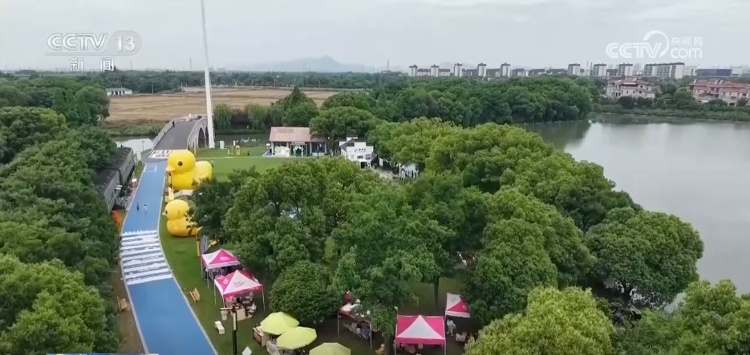 零食挖宝、趣味实验……“六一”欢乐总动员带你解锁N种童趣新体验
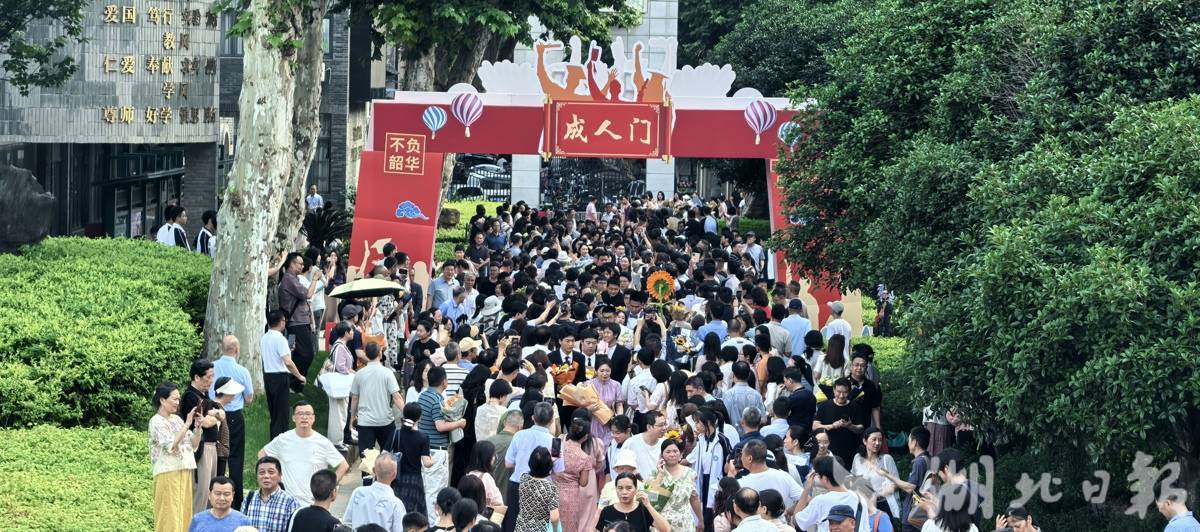 这场成人礼,给出了18岁最好的答案
 粤超八强赛首回合比赛 深圳队、梅州队取胜
-
US News排名榜单解读:代尔夫特理工大学的位次与实力匹配
 全球高等教育资源高度分化,不同院校在学术传统、学科结构、教学方式与毕业生出路等方面差异显著。理解院校之间的类型差异与定位逻辑,是做出适配选择的前提。院校评估不应停留在排名数字的简易对比,而应深入到专业
...[详细]
全球高等教育资源高度分化,不同院校在学术传统、学科结构、教学方式与毕业生出路等方面差异显著。理解院校之间的类型差异与定位逻辑,是做出适配选择的前提。院校评估不应停留在排名数字的简易对比,而应深入到专业
...[详细]
-
 在日均2万亿-3万亿元的天量成交背后,A股投资者已超2.5亿,其中被戏称为“股民”的个人投资者占比高达99.76%。作为A股交易唯一的机构通道,券商的经纪业务承载着亿万“股民”的每一笔操作。因此,客服
...[详细]
在日均2万亿-3万亿元的天量成交背后,A股投资者已超2.5亿,其中被戏称为“股民”的个人投资者占比高达99.76%。作为A股交易唯一的机构通道,券商的经纪业务承载着亿万“股民”的每一笔操作。因此,客服
...[详细]
-
 2025年2月在北京,国内首个AI儿科医生“上岗”与专家共同完成疑难病例会诊。视觉中国/图全国两会期间,有许多代表、委员试图回答:如何让2000万罕见病患者真正“被看见”?10岁男孩持续一个月手抖、皮
...[详细]
2025年2月在北京,国内首个AI儿科医生“上岗”与专家共同完成疑难病例会诊。视觉中国/图全国两会期间,有许多代表、委员试图回答:如何让2000万罕见病患者真正“被看见”?10岁男孩持续一个月手抖、皮
...[详细]
-
全国人大代表、科大讯飞董事长刘庆峰:不能用快消品的逻辑来做医疗
 AI健康助手在过去一年迎来集中爆发,“大病小病先问 AI”逐渐成为不少人的新习惯。事实上,早在2016年,科大讯飞就创办了讯飞医疗,率先将人工智能技术引入医疗场景。2024年,讯飞医疗科技02506.
...[详细]
AI健康助手在过去一年迎来集中爆发,“大病小病先问 AI”逐渐成为不少人的新习惯。事实上,早在2016年,科大讯飞就创办了讯飞医疗,率先将人工智能技术引入医疗场景。2024年,讯飞医疗科技02506.
...[详细]
-
 随着留学热潮的不断增长,越来越多的中国学生选择赴加拿大深造。加拿大的高等教育因其优质的教学资源、宽松的移民政策以及多元文化的氛围,吸引了大量留学生。而对于那些有意深造、提升自己学术背景的学生来说
...[详细]
随着留学热潮的不断增长,越来越多的中国学生选择赴加拿大深造。加拿大的高等教育因其优质的教学资源、宽松的移民政策以及多元文化的氛围,吸引了大量留学生。而对于那些有意深造、提升自己学术背景的学生来说
...[详细]
-
自研粮机日产65吨大米,够15万人吃一天 湖北造“移动米厂”亮相全国粮食科技展
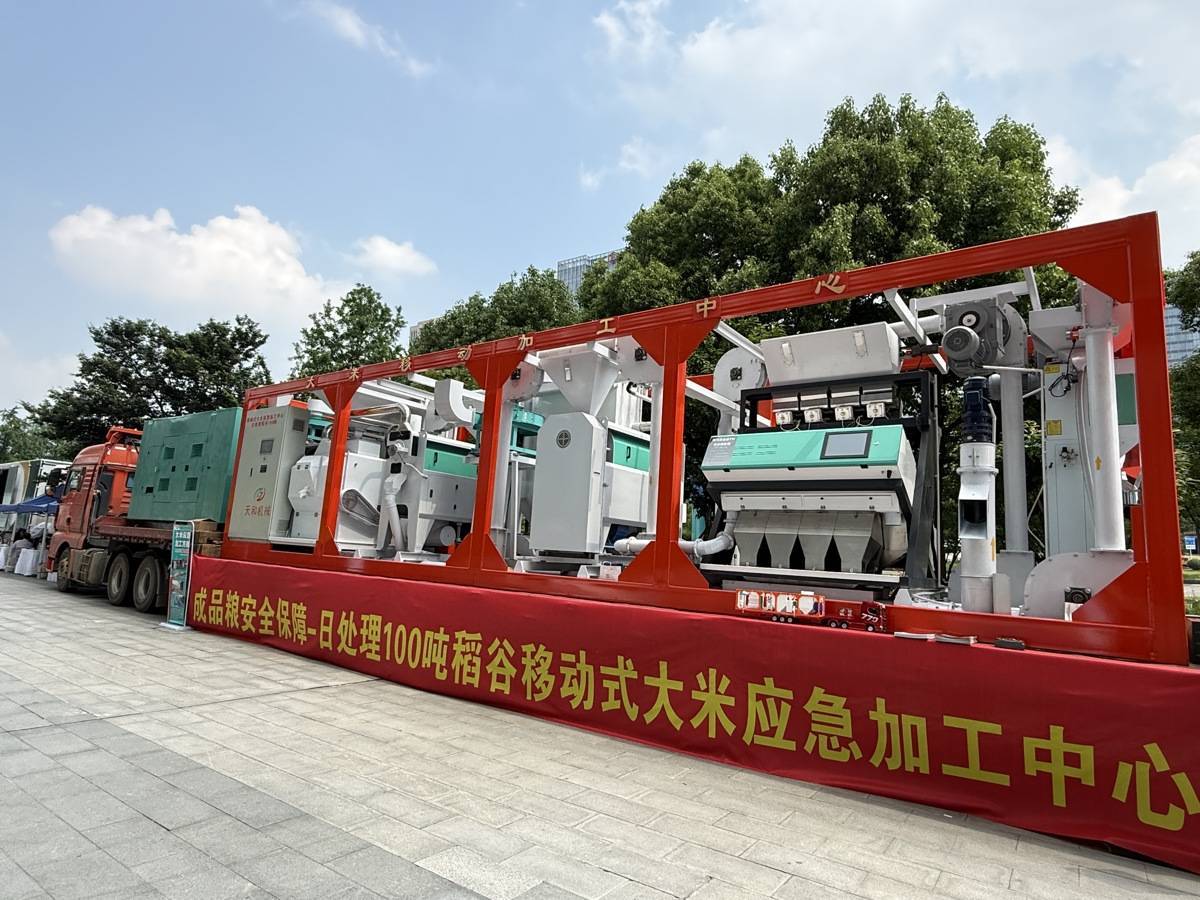 湖北日报全媒记者 陈莉霖 通讯员 易黎6月1日,2026年全国粮食和物资储备科技活动周主会场活动在湖北开幕,现场设置五大主题展区。在全国“十四五”时期粮食和物资储备领域科技成果展区,湖北有10项成果上
...[详细]
湖北日报全媒记者 陈莉霖 通讯员 易黎6月1日,2026年全国粮食和物资储备科技活动周主会场活动在湖北开幕,现场设置五大主题展区。在全国“十四五”时期粮食和物资储备领域科技成果展区,湖北有10项成果上
...[详细]
-
 六一儿童节到来之际,由公安部新闻宣传局和人民日报社新媒体中心共同创作的“守护平安 与你‘童’行”主题AI视频在人民日报各大新媒体平台和公安机关矩阵平台发布。本次创作邀请蔡明老师和张国强老师,经过本人正
...[详细]
六一儿童节到来之际,由公安部新闻宣传局和人民日报社新媒体中心共同创作的“守护平安 与你‘童’行”主题AI视频在人民日报各大新媒体平台和公安机关矩阵平台发布。本次创作邀请蔡明老师和张国强老师,经过本人正
...[详细]
-
多人FPS新作《人间地狱:越南》确认将于6月19日正式发售,限时免费公测将于5月29日打开
 PS5 与 Xbox 实体版将于 8 月 4 日推出,预购现已打开,PC公开测试时间同步公布Team17 与 Expression Games 今日正式宣布,《人间地狱:越南》将于 2026 年 6
...[详细]
PS5 与 Xbox 实体版将于 8 月 4 日推出,预购现已打开,PC公开测试时间同步公布Team17 与 Expression Games 今日正式宣布,《人间地狱:越南》将于 2026 年 6
...[详细]
-
 来源:半岛晨报葛天直播被网友问及为何没有孩子,她坦言自己很喜欢小孩,也想要孩子,只是目前单身还没有找到合适的伴侣。面对网友“当年生个小刘翔就好了”的评论,葛天表示庆幸当初没有生孩子。她还分享了自己现在
...[详细]
来源:半岛晨报葛天直播被网友问及为何没有孩子,她坦言自己很喜欢小孩,也想要孩子,只是目前单身还没有找到合适的伴侣。面对网友“当年生个小刘翔就好了”的评论,葛天表示庆幸当初没有生孩子。她还分享了自己现在
...[详细]
-
原油交易提醒:地缘局势缓和施压油价再次走低,区间下沿等待企稳
 汇通财经APP讯——周三亚盘时段美原油小幅下跌,交投于62美元箱体下沿附近,围绕伊朗与美国核问题谈判的最新消息成为能源市场焦点。伊朗外长表示,双方已就一套“指导原则”达成总体共识,并将据此推进潜在协议
...[详细]
汇通财经APP讯——周三亚盘时段美原油小幅下跌,交投于62美元箱体下沿附近,围绕伊朗与美国核问题谈判的最新消息成为能源市场焦点。伊朗外长表示,双方已就一套“指导原则”达成总体共识,并将据此推进潜在协议
...[详细]

